
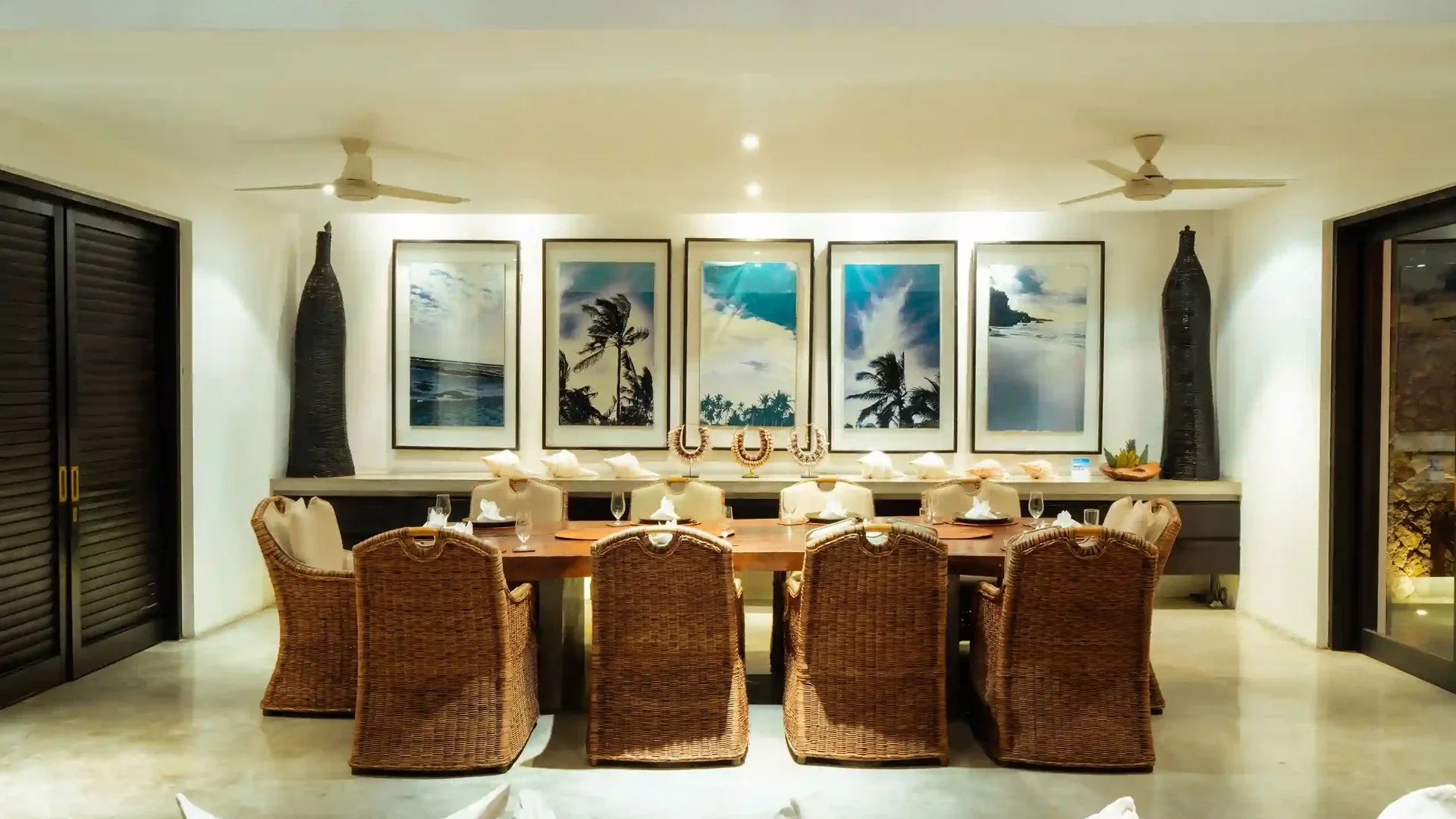
Cost Breakdown for Bali’s 28 Ultra-Luxury Raffles Residences: From IDR50M per Square Metre to the 25–35% Brand Premium
By Bali Branded Residences Editorial Desk ·
Bali’s branded residences market, while small, is expanding rapidly due to tightening rental regulations and robust tourism demand. This segment commands significant price premiums and is increasingly concentrated in key coastal areas. The market is projected to roughly double in scale over the next decade.
Understanding Bali’s Branded Residences Market Dynamics
As of March 2025, Bali’s hospitality-managed real estate market comprised 59 projects with 3,643 units. By early 2026, this had grown to over 70 hospitality-managed developments actively on sale. Within this broader category, branded residences constitute a growing proportion.
In March 2025, branded residences represented approximately 15% of the total hospitality-managed supply. By early 2026, this share had adjusted to around 10% of active supply, specifically units currently being marketed and sold. These figures indicate a material, albeit niche, segment within Bali’s property landscape.
Extrapolating from the 2025 data of 3,643 units across 59 projects to over 70 projects in early 2026 suggests total hospitality-managed units are likely between 4,200 and 4,500. Consequently, branded residences account for approximately 400 to 650 units actively in the market. This underscores their significance as a distinct investment class.
Growth Drivers in the Branded Residences Sector
The global branded residences sector is a substantial market, valued at over $30 billion annually, encompassing approximately 700 projects worldwide and experiencing an annual growth rate of about 12%. Bali has emerged as a key hotspot within the Asia-Pacific region, with its branded residence inventory increasing from 13% to approximately 18% of total hospitality-managed supply in just one year, according to C9/Horwath data from 2024–2025 to 2025–2026.
JLL-referenced data further indicates that Bali’s hotel and hospitality investment reached approximately $830 million in Q1 2026 for Bali Province. Analysts anticipate that the branded niche specifically will roughly double by 2030.
Considering these data points, the annual growth in Bali’s branded residence inventory for 2026–2027 is projected to be in the high single-digits to low double-digits, aligning with both global sector growth and recent local market share gains. By 2027, Bali is likely to have 80–90 hospitality-managed projects, with branded residences representing a larger proportion of total units.
The Raffles Residences Bali: A Case Study in Ultra-Luxury Pricing
The Raffles Residences Bali, situated in Jimbaran, comprises 28 ultra-luxury villas. These properties are managed by the Raffles Hotels & Resorts brand, known for its established presence in the high-end hospitality sector. The development is designed to cater to high-net-worth individuals and family offices seeking managed luxury assets in Bali.
Pricing for these residences commences at approximately IDR 50 million per square metre, with total unit costs ranging from IDR 80 billion to IDR 100 billion. These figures position the Raffles Residences at the upper echelon of Bali’s property market, reflecting both the brand premium and the inherent value of the location and specifications.
Brand Premium Analysis: Raffles Bali
The concept of a ‘brand premium’ is central to understanding the valuation of branded residences. This premium represents the additional value attributed to a property due to its association with a reputable hotel brand, which typically offers consistent service standards, access to hotel amenities, and a global marketing network.
For the Raffles Residences Bali, the brand premium is estimated to be between 25% and 35% above comparable unbranded luxury properties in the same locality. This premium is justified by several factors:
- Operational Standards: Raffles Hotels & Resorts maintains stringent operational and service standards, ensuring a consistent luxury experience for owners and guests.
- Rental Pool Access: Owners often have the option to place their residence into a managed rental pool, benefiting from the brand’s booking systems and global distribution channels.
- Property Maintenance: The brand typically oversees all aspects of property maintenance, reducing the burden on owners.
- Global Recognition: Association with a globally recognised luxury brand enhances the property’s appeal and potential resale value.
- Amenities and Services: Residents gain access to a comprehensive suite of hotel amenities, including dining, spa, concierge, and security services.
This premium reflects the perceived security, convenience, and lifestyle benefits that come with hotel-managed ownership, distinguishing it from independent luxury villa ownership.
Comparative Market Pricing for Branded Residences
To contextualise the Raffles Residences pricing, it is useful to consider the broader market for branded residences in Bali. While specific per-square-metre prices vary significantly based on location, brand, and amenities, the overarching trend indicates a substantial premium for branded products.
| Brand Type | Typical Premium (over unbranded comparable) | Key Value Proposition |
|---|---|---|
| Ultra-Luxury (e.g., Raffles, Four Seasons) | 25% – 35% | Established global brand, extensive services, high-end design, prime locations |
| Luxury (e.g., Marriott, Hyatt) | 15% – 25% | Recognised brand, good service, range of amenities, strong rental potential |
| Upper Upscale (e.g., Accor, IHG) | 10% – 15% | Reliable brand, consistent experience, often more accessible price points |
The data demonstrates that the premium commanded by ultra-luxury brands such as Raffles is at the higher end of the spectrum, reflecting the exclusivity and comprehensive service offerings associated with these brands.
Investment Outlook for Bali Branded Residences
The investment outlook for Bali’s branded residences remains positive. The market’s growth is underpinned by sustained tourism demand and a regulatory environment that increasingly favors professionally managed properties. The scarcity of prime land and the increasing demand from international investors seeking stable, income-generating assets further support this segment.
The stability offered by established hospitality brands, combined with the potential for capital appreciation and rental yield, makes branded residences an attractive proposition for sophisticated investors. The segment’s resilience during market fluctuations is often attributed to the strong backing of international hotel groups and their robust client bases.
2027 Note
By 2027, Bali’s branded residence market is expected to feature approximately 80–90 hospitality-managed projects. This expansion will likely see an increased concentration of ultra-luxury offerings in key coastal hubs, alongside a diversification into more niche lifestyle-oriented brands. The regulatory framework is also anticipated to further solidify, providing clearer guidelines for foreign ownership and rental operations, thereby enhancing investor confidence.
Key Considerations for Investors
When considering an investment in Bali’s branded residences, several factors warrant attention:
- Brand Reputation: Evaluate the brand’s global standing, service quality, and track record in residential management.
- Location: Prime coastal locations such as Jimbaran, Seminyak, and Canggu typically offer stronger capital appreciation and rental demand.
- Management Fees: Understand the ongoing management fees and their impact on net rental yields.
- Rental Programme: Assess the terms of any optional rental pool programmes, including revenue split and usage restrictions.
- Exit Strategy: Consider the liquidity of the asset and potential resale market for branded properties.
The Raffles Residences Bali exemplifies the high-end offering within this segment, providing a benchmark for ultra-luxury pricing and brand premium justification.
For further insights into Bali’s branded residences market and specific investment opportunities, book an investment consultation on WhatsApp with Bali Branded Residences.
Market estimate from third-party sources — not a guarantee of returns.
Related reading
- How to Choose the Right Bali Branded Residence in 2027: Matching Property Management Models to Your Guest Demand and Climate Needs
- How to Maximize ROI on Bali Branded Residences in 2027: Structured Rental Models vs. the Unregulated Small-Scale Market
- How to Maximize ROI on Bali’s New Launch Zones in 2027: Structured Rental Models for Raffles and Mandarin Oriental vs. the Unregulated Market